neil@redkiteairsports.co.uk Tel:07950 033622
neil@redkiteairsports.co.uk Tel:07950 033622
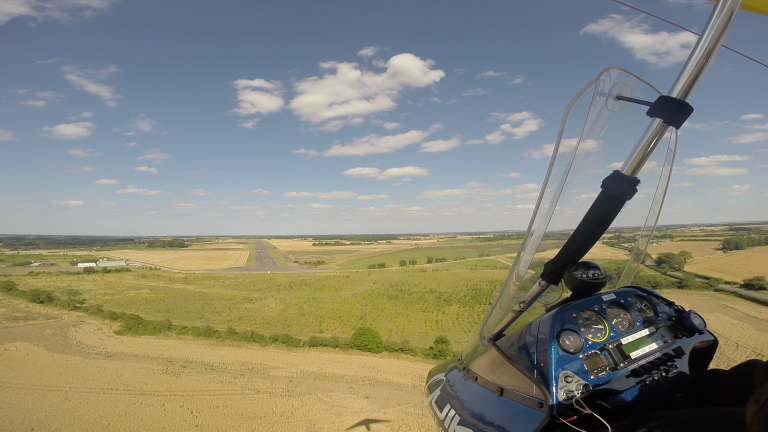
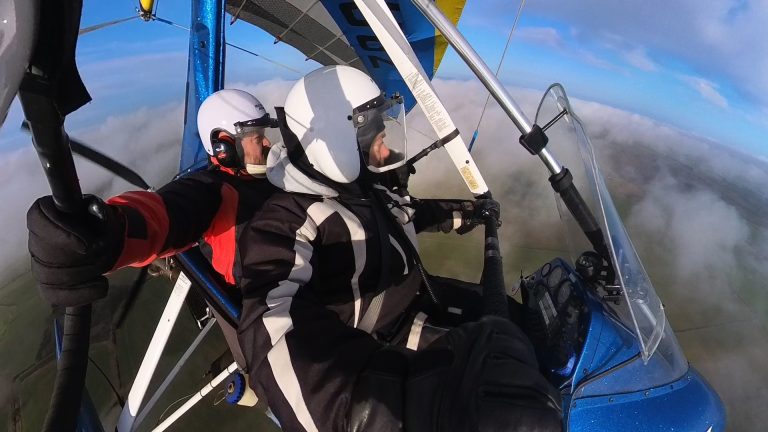
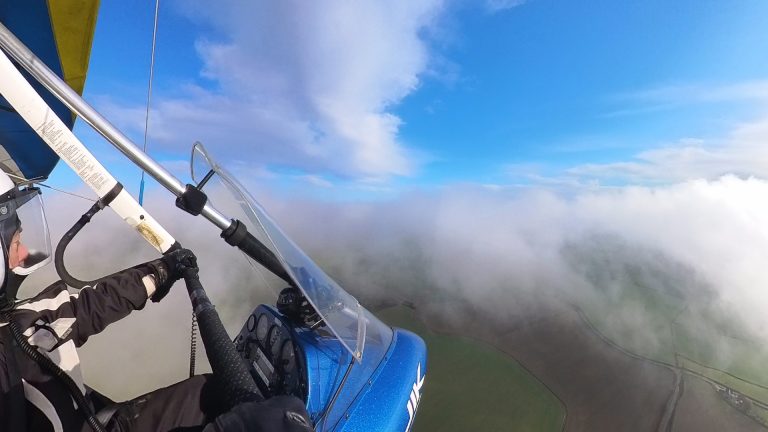
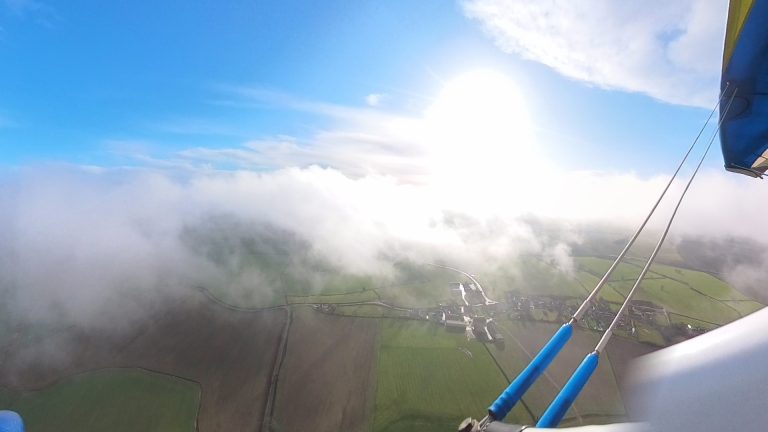
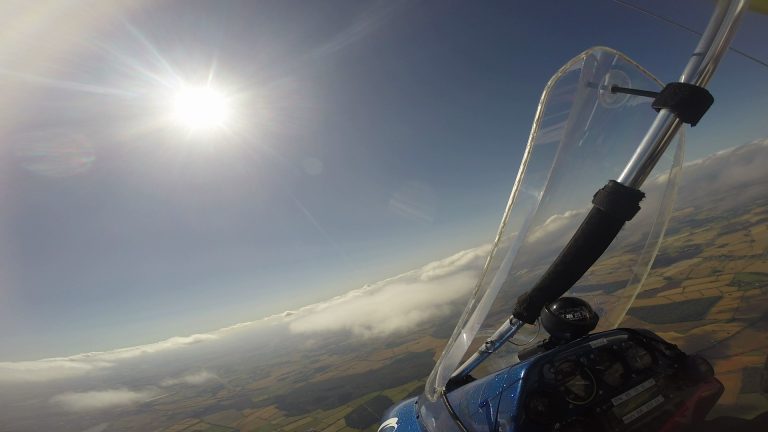
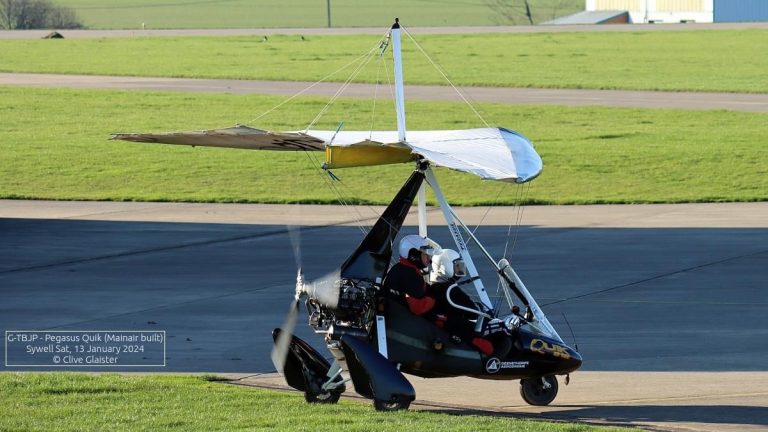
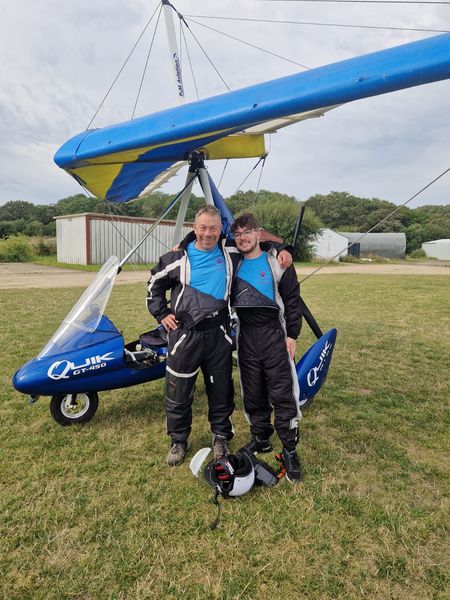
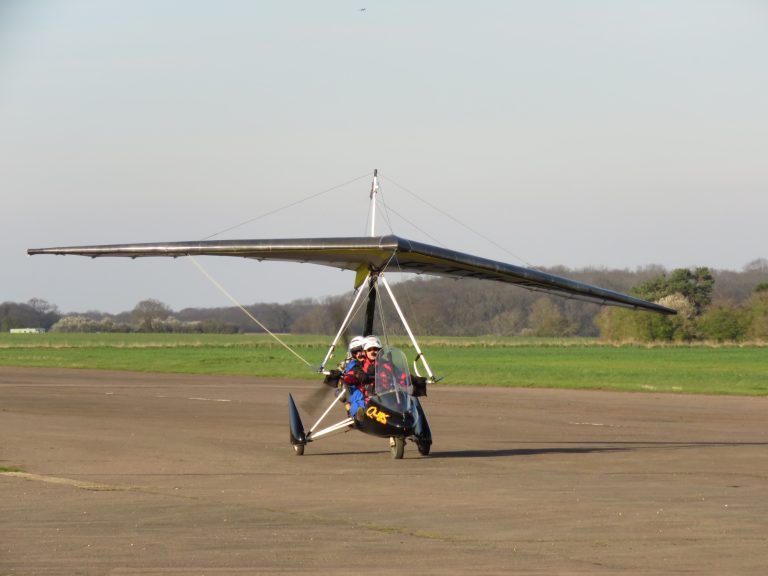
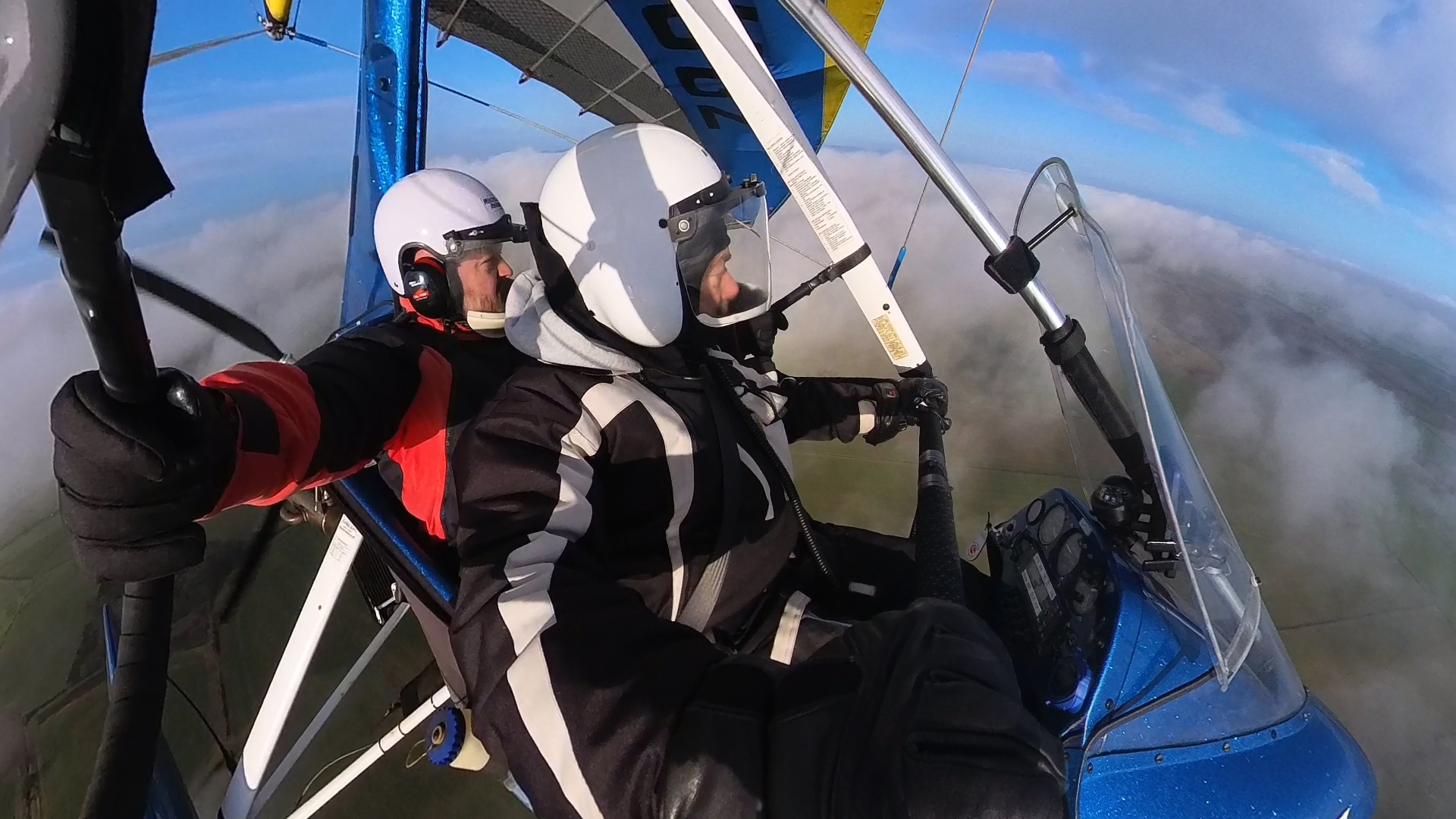
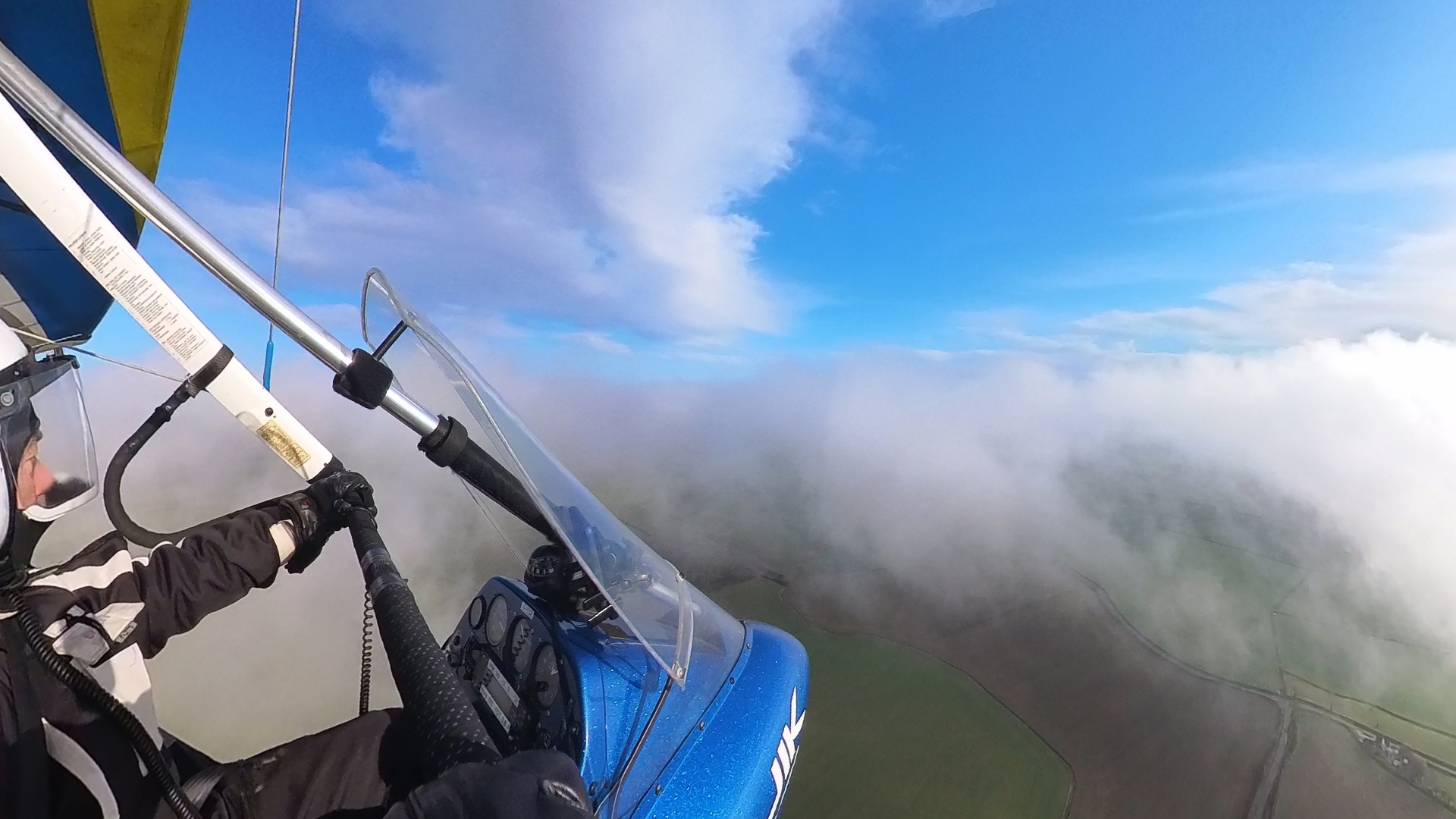
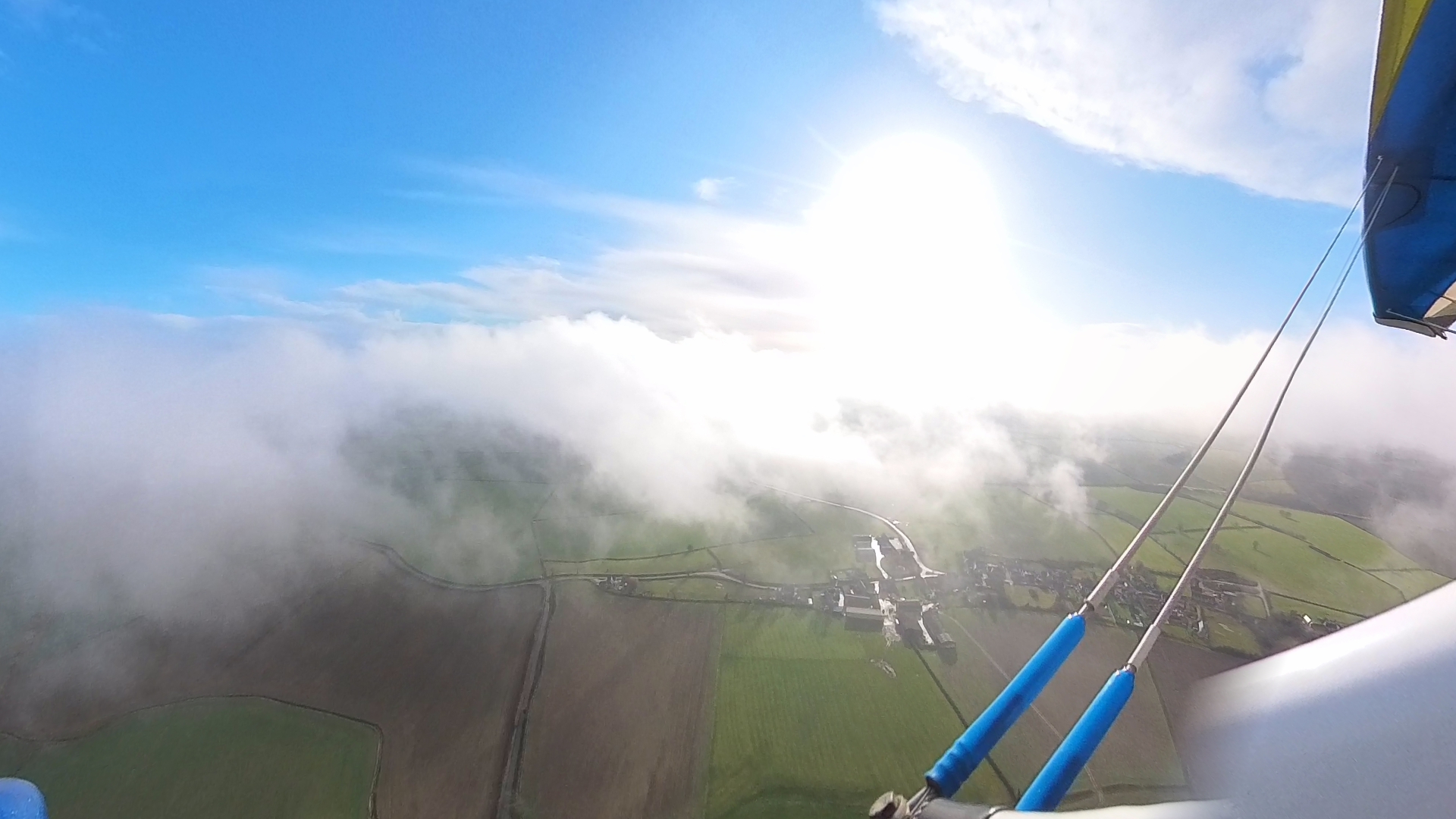
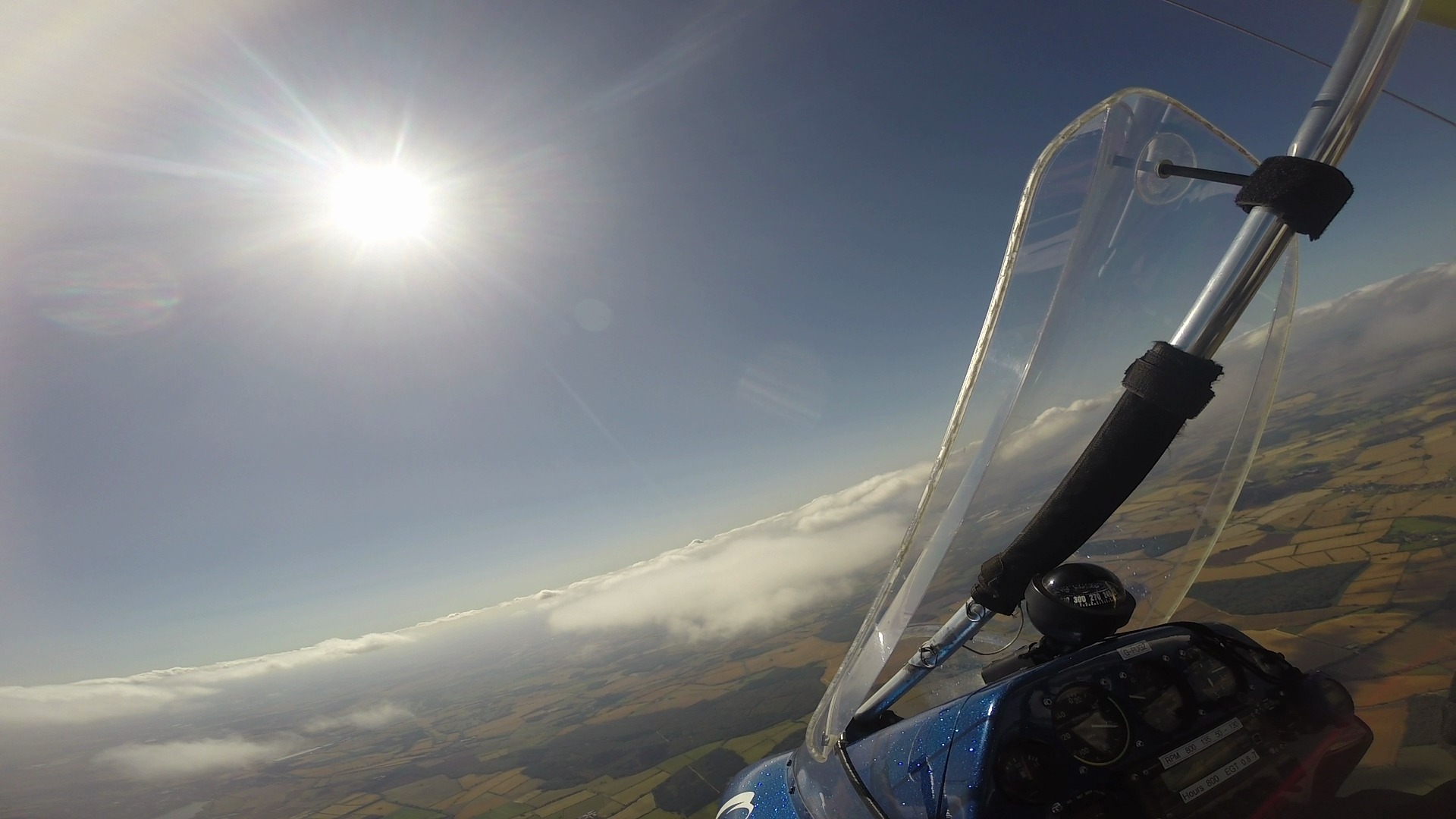
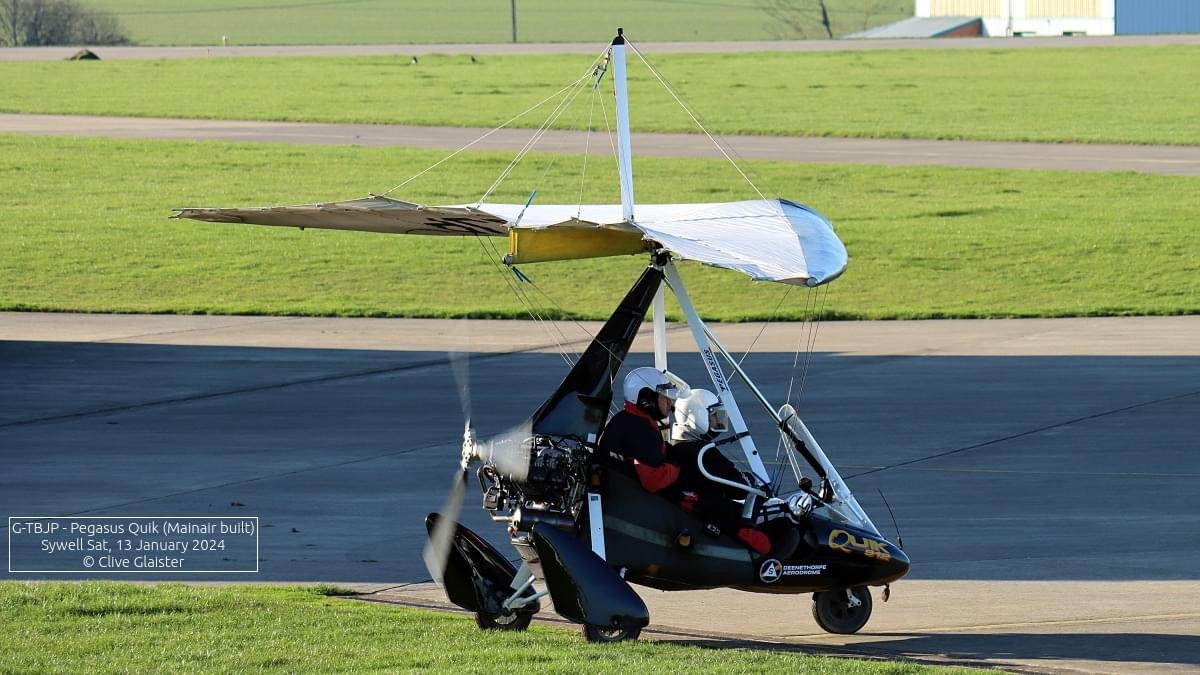
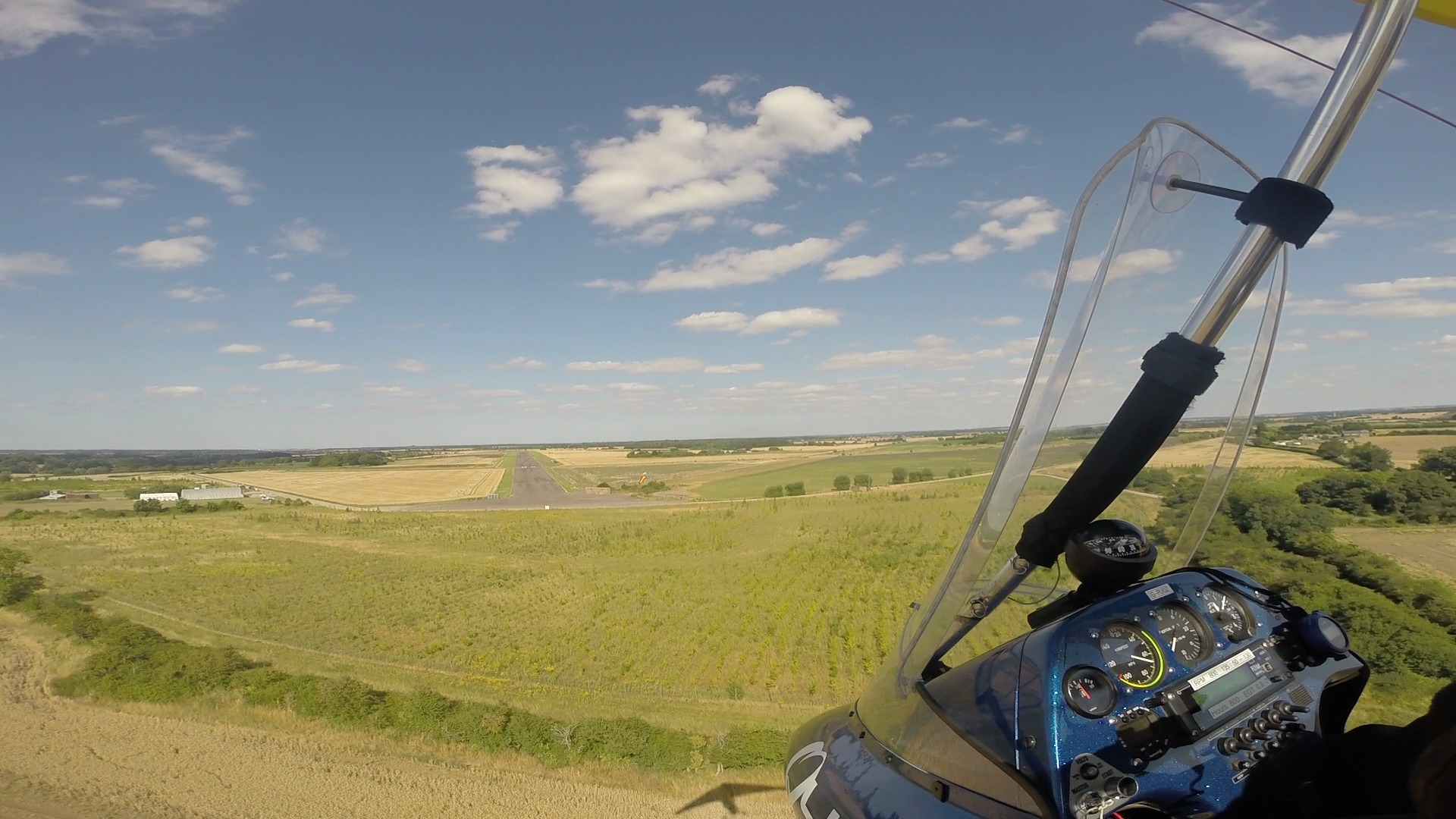
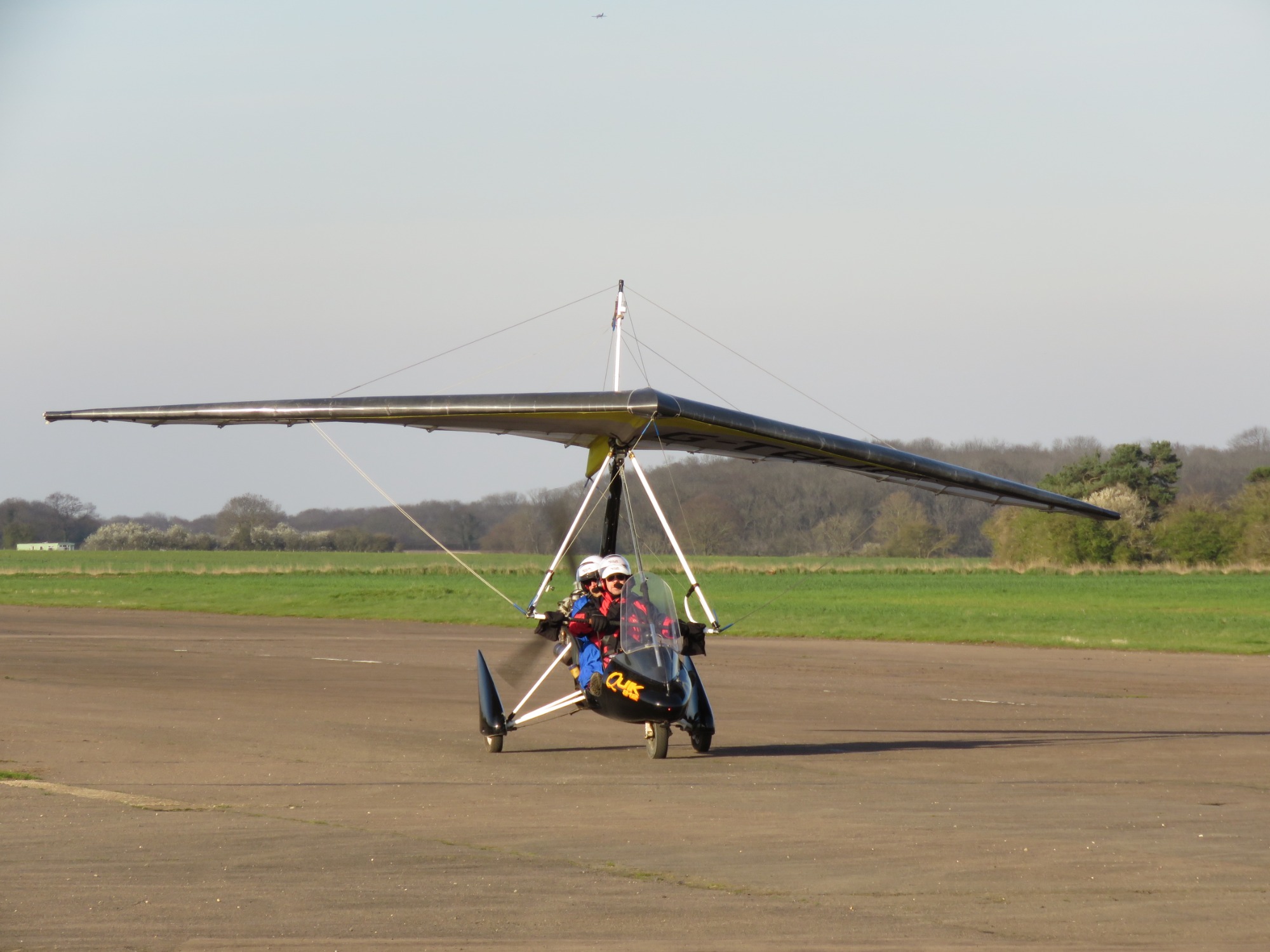
This is what we fly here at Red Kite Airsports. Known as a flexwing or weightshift microlight, it consists of a hanglider type delta wing with a trike unit suspended below allowing for a pilot and passenger in tandem. Control is maintained by physically shifting the weight of the trike unit beneath the wing - hence the term weightshift. They are great fun, and exhilarating to fly, though as they expose you to the elements flying suits and helmets are required.
However, these are not the only microlight aircraft available, The legal definition of a microlight is actually quite complicated, and is defined by a number of different characteristics such as weight, stall speed, age, type etc.
In the UK, a microlight aircraft is a lightweight aeroplane designed mainly for recreational flying. Microlights are popular because they are:
Relatively simple to fly
More affordable than larger aircraft
Ideal for leisure flying and training
Despite their light weight, microlights are fully regulated aircraft and must meet strict safety and performance rules.
How Many People Can Fly in a Microlight?
One of the key parts of the UK microlight definition is seating.
A microlight can have no more than two seats
This usually means:
One pilot and one passenger, or
One student pilot and one instructor
Any aircraft with more than two seats cannot be classed as a microlight, regardless of size or weight.
Microlight Weight Limits in the UK
Another important part of the definition is maximum take-off mass (MTOM), which is the maximum weight an aircraft can safely take off at.
In the UK, microlights fall into two broad groups:
Traditional Microlights
These are very lightweight aircraft, often associated with early microlight designs and many flexwing aircraft.
Light Sport Microlights
Modern regulations now allow microlights to be heavier, provided they remain slow-flying and easy to handle.
Current UK limits are:
Up to 600 kg for land-based microlights
Up to 650 kg for amphibious or float-equipped microlights
These higher limits allow for better safety features, stronger structures, and increased comfort.
Why Speed Matters in Microlight Rules
Weight alone does not define a microlight. UK regulations also limit how fast a microlight can fly at low speeds.
Microlights must have a low stall speed, which means:
They fly safely at slower speeds
They can take off and land in shorter distances
They are more forgiving for new pilots
This low-speed requirement is one of the main reasons microlights are suitable for beginners.
What Types of Aircraft Can Be Microlights?
Several different aircraft designs can meet the UK microlight definition, including:
As long as the aircraft meets the seat, weight, and speed limits, it can be legally classified as a microlight.
How Are Microlights Regulated in the UK?
Microlights in the UK are regulated nationally by the Civil Aviation Authority (CAA). Many microlight aircraft are administered through organisations such as the British Microlight Aircraft Association (BMAA).
This national system allows:
Simplified aircraft approval
Lower operating and maintenance costs
A strong safety framework tailored to recreational flying
Pilots must hold a microlight licence appropriate to the type of microlight they fly.
What Is Not a Microlight?
An aircraft is not a microlight if it:
Has more than two seats
Exceeds the permitted maximum weight
Does not meet low-speed performance limits
Is certified solely under international airline-style regulations
Some light aeroplanes may look similar but fall into different regulatory categories.
Summary: The UK Definition of a Microlight
In simple terms, a microlight in the UK is:
These characteristics make microlights one of the most accessible and enjoyable ways to learn to fly and experience aviation.
What is a Microlight Aircraft?
We need your consent to load the translations
We use a third-party service to translate the website content that may collect data about your activity. Please review the details in the privacy policy and accept the service to view the translations.